AI narration · about 4 min
_coverage presented by Bud Light_
More shots, same bad ending
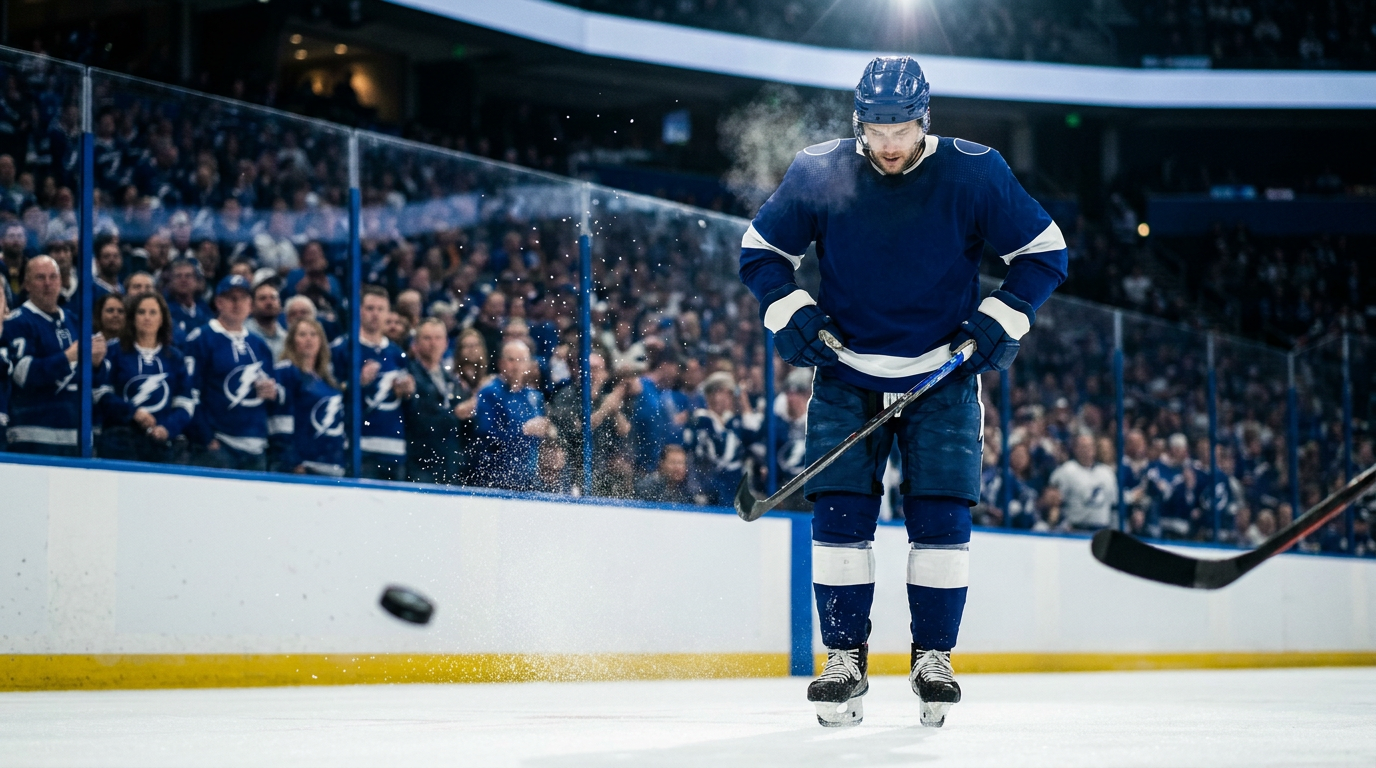
Winning the shot count is nice. Winning the actual game remains the preferred option.
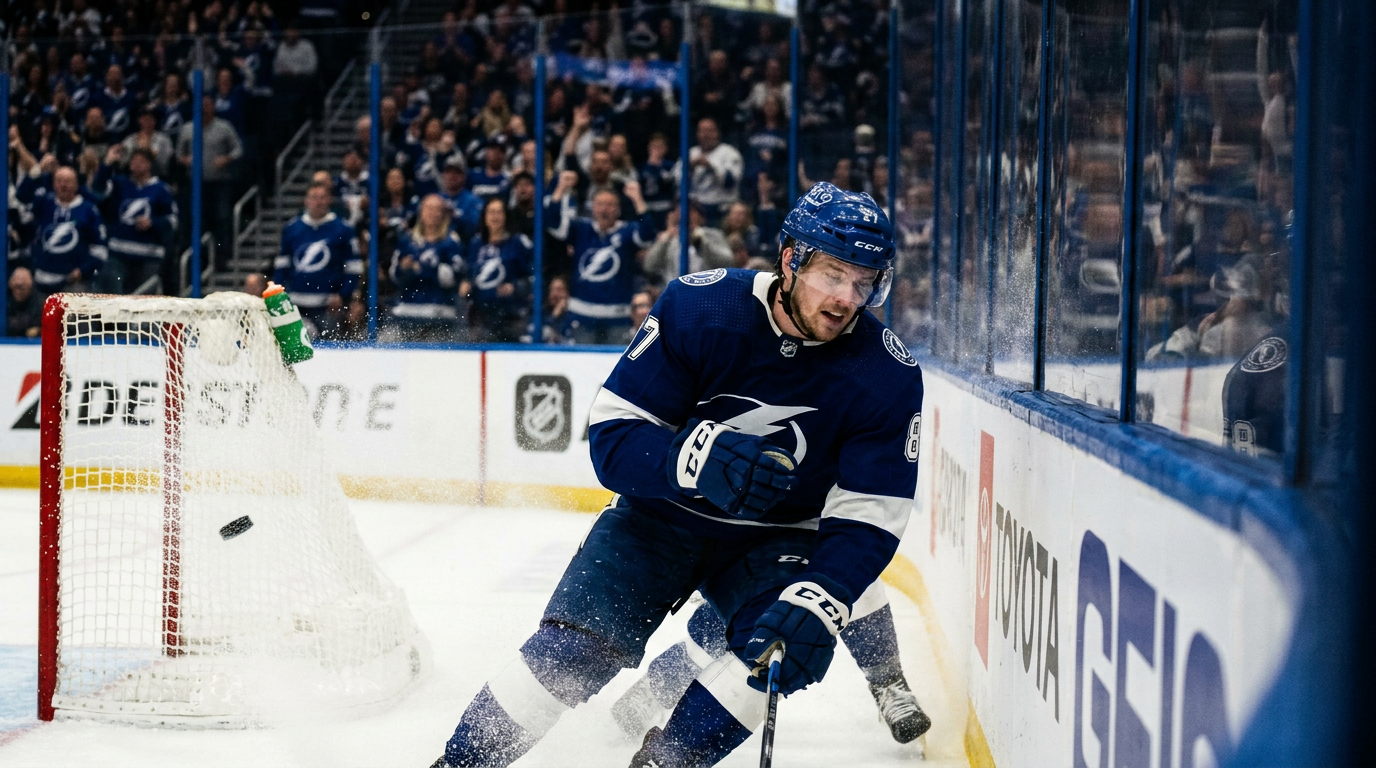
The Tampa Bay Lightning left Madison Square Garden with a 4-1 loss to the New York Rangers on October 13, despite putting 26 shots on goal to New York’s 23. That’s the kind of split that makes a box score look almost reasonable until your eyes drift back to the scoreboard. Tampa Bay generated the larger shot total. New York delivered the damage.
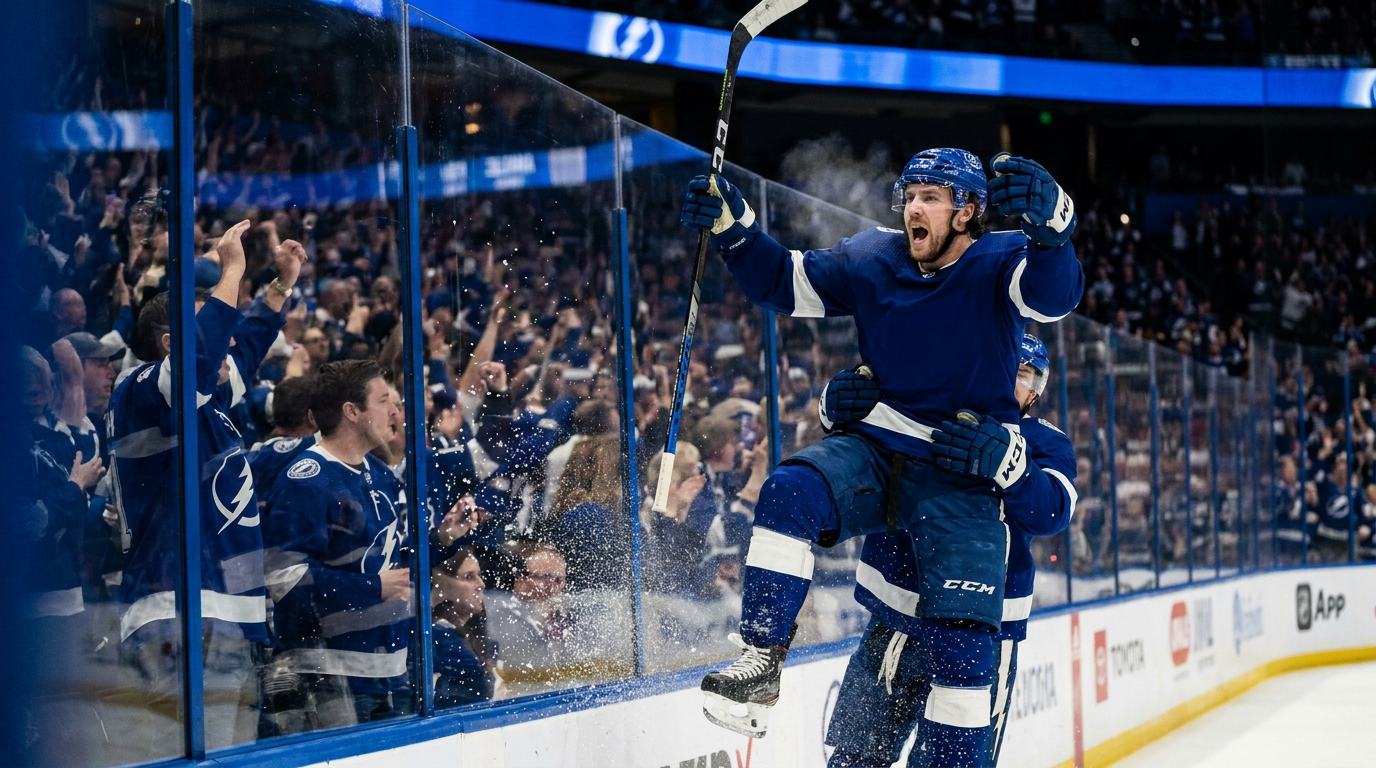
Zemgus Girgensons supplied the Lightning’s lone goal, while Alexis Lafreniere scored twice for the Rangers. No overtime, no last-second math required: this one ended in regulation with Tampa Bay chasing a game it never brought level after the opening period.
For the hometown crowd following along through our Lightning coverage, there’s no need to dress this up. More pucks on net did not mean more control of the result.
How it happened: the gap kept growing
The period-by-period scoring tells a clean, unpleasant story. New York scored twice in the first period; Tampa Bay scored once. That left the Lightning within a goal after the opening frame, with plenty of game available to change the direction.
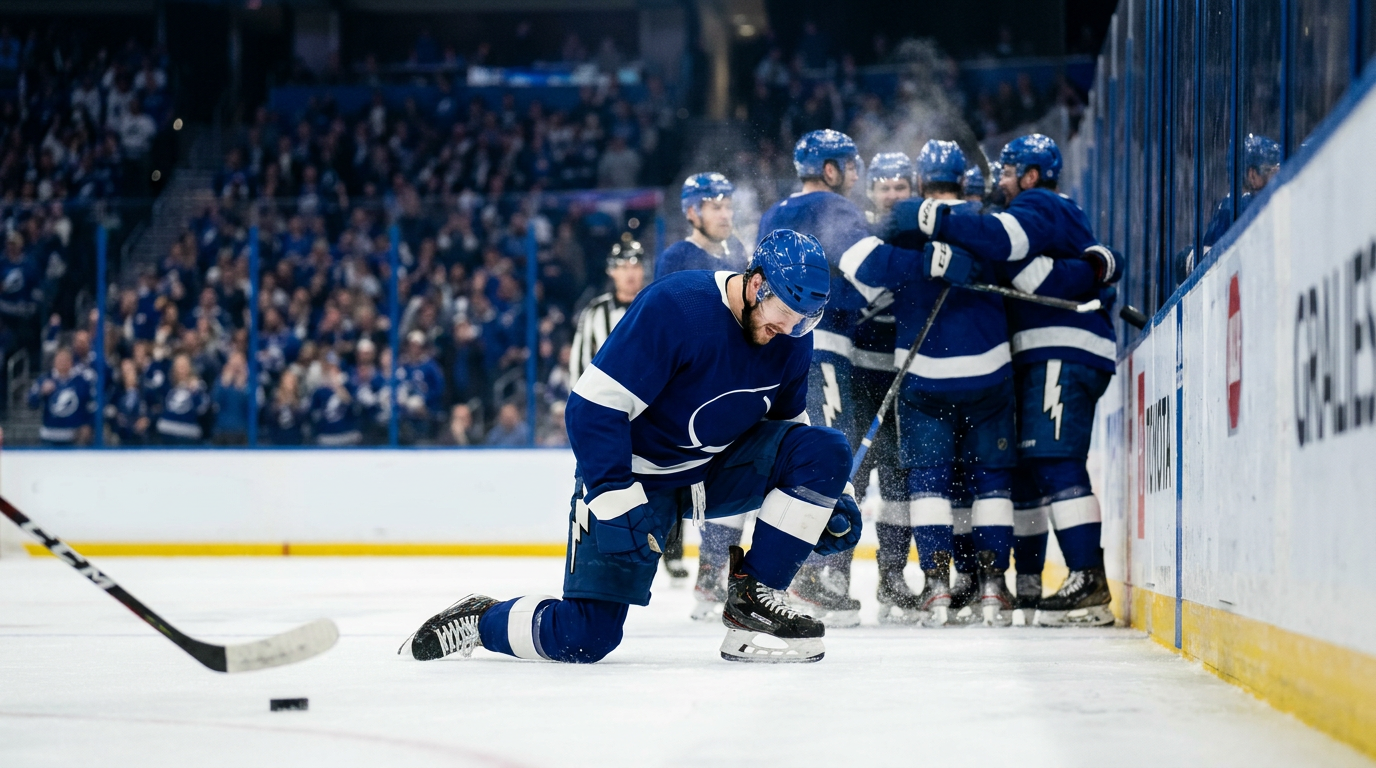
Instead, the Rangers added a goal in the second while Tampa Bay went scoreless. A 2-1 deficit became 3-1. New York then scored again in the third, and the Lightning again had no answer on the scoreboard.
That’s the shape of this loss: a manageable first-period margin that kept stretching because Tampa Bay’s scoring stopped. The Rangers produced goals in every period. The Lightning’s entire offensive return fit inside the first.
There’s a difference between staying close in shot volume and staying close where it counts. Tampa Bay’s 26 shots kept the final totals competitive, but those scoreless second and third periods left New York free to widen the margin. The ESPN game page has the matchup details; the linescore supplies the blunt summary.
Stat of the game: a power play with a nasty catch
Tampa Bay finished with zero power-play goals on four opportunities. New York also went scoreless on four power plays. Call that an even exchange if you want—but only if you ignore the part where the Rangers scored a shorthanded goal.
That’s the catch, and it’s a big one. The Lightning got no scoring payoff from their own advantages, while New York found a goal while shorthanded. A power play is supposed to be an opportunity, not an extra reason to grind your teeth.
The key numbers:
- Shots: Tampa Bay 26, New York 23.
- Power plays: Both teams finished 0-for-4.
- Shorthanded goals: New York 1, Tampa Bay 0.
- Hits: New York 37, Tampa Bay 22.
- Faceoffs won: New York 33, Tampa Bay 21.
The hit and faceoff totals add context without explaining every shift. New York recorded more contact and more faceoff wins; Tampa Bay recorded more shots. None of those categories alone tells the whole game. Put them beside the special-teams results, though, and the Lightning’s narrow shot advantage looks a lot less comforting.
Player of the night: Lafreniere makes it count
Lafreniere gets the nod with two goals and two points. In a game where Tampa Bay managed one goal total, his finishing gave New York a contribution the Lightning couldn’t match from any individual scorer.
Tye Kartye also registered two assists, giving the Rangers another notable offensive line beyond Lafreniere’s goals. New York didn’t need the higher shot count to get the better return.
For Tampa Bay, Girgensons finished with one goal and one point, and Pontus Holmberg recorded one assist. Those are the offensive contributions to acknowledge, not inflate. Girgensons put the Lightning on the board, but Tampa Bay needed more than that lone goal to keep pace with a team scoring in all three periods.
What it means: volume needs a payoff
This isn’t a night for declaring the sky broken. It is a night for being honest about a 4-1 loss: Tampa Bay’s shot total was respectable, its power-play return was empty, and its offense disappeared from the linescore after the first period.
The next step is straightforward to identify, even if execution rarely is. Turn chances into goals, make those power-play opportunities matter, and don’t let a one-goal intermission deficit grow untouched. Keep up with more Pinellas Podcast coverage as the Lightning move forward.
What's next: Follow the Lightning’s upcoming schedule for their next chance to respond to this 4-1 defeat.
Betting corner
Closing line via Draft Kings:
Spread: TB -162
Total: O/U 5.5
Moneyline: TB -162 / OPP +136
How the ticket hit: underdog covered the spread 🐶 · total stayed UNDER 📉.
Odds shown for entertainment and context — not a wager recommendation. Must be 21+ and physically located in a legal jurisdiction to bet. If gambling stops being fun, call **1-800-GAMBLER* or visit ncpgambling.org.*
Bud Light coverage presented by Lightning Recap
Every TB recap on Pinellas Podcast is brought to you by Bud Light. Grab a cold one, catch the next game, and keep it local.
Comments
Want to join the conversation?
Sign in to comment