
AI narration · about 6 min
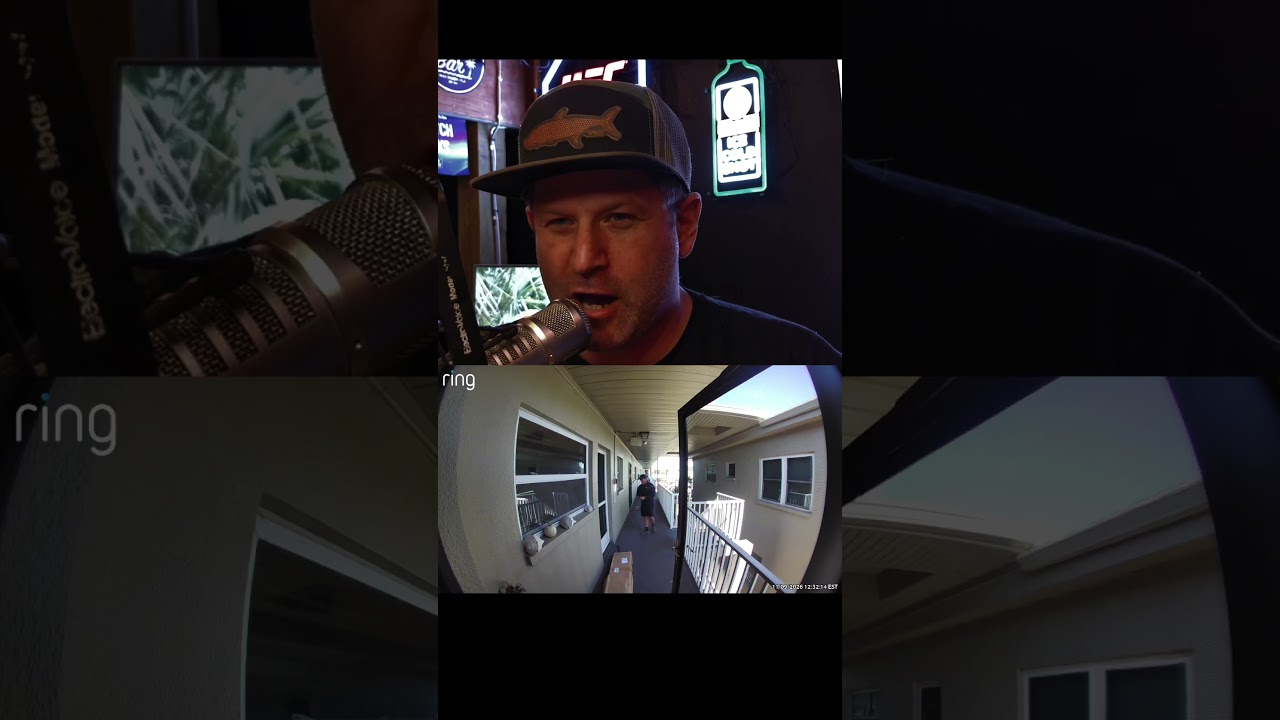
Marc and Billy have a nightmare scenario on their hands: a woman outside her own moving car, an intersection ahead, and a lake waiting at the end of its path.
Nobody is behind the wheel. She tries to get back inside and stop it. The car keeps rolling anyway, crossing the intersection and eventually going into the water.
That is a spectacularly bad sequence of events, and it hits a very ordinary nerve. Most of us trust that when we get out of a car, the car will remain exactly where we left it. That is the deal. We walk away; several thousand pounds of machinery stay put.
When that deal breaks, the brain has about half a second to catch up.
The big question is what you would do. The harder question is whether your first instinct would actually keep you safe.
The moment a car becomes its own driver
The unsettling part is how familiar the pieces are. A person beside a vehicle. An intersection. Water nearby. Nothing about those ingredients announces disaster until the vehicle starts moving without anyone controlling it.
The woman tries to regain access to the car, an understandable reaction when your transportation is escaping in front of you. Get inside, reach the brake, stop the whole thing. In your head, that solution probably takes two seconds.
Outside a moving vehicle, those two seconds are a different proposition.
An open door can knock someone down. A person trying to climb in can lose their footing. Wheels, curbs, other vehicles, and fixed objects turn a desperate grab into a much bigger danger than damaged property.
That is what makes this more than a strange car story. You are watching the gap between what someone wants to happen and what the moving object is actually doing. Wanting it to stop does not slow it down.
Then comes the intersection. A driverless vehicle crossing a roadway creates a problem for everybody around it, including drivers who reasonably expect another vehicle to have someone at the controls. Normal traffic communication—eye contact, a wave, a deliberate stop—does not exist here.
And beyond that intersection, the water changes the stakes again. This is no longer just a runaway car heading for a curb or an embarrassing insurance claim. It is a vehicle entering an environment where trying to retrieve it can put people in danger.
Why this lands differently around Pinellas
You do not have to drive far in Pinellas County to pass water. From St. Petersburg and Clearwater to Dunedin and the Gulf beaches, our everyday routes weave around a landscape shaped by bays, lakes, canals, ponds, and coastal inlets.
That is part of the appeal. It is also something we can get surprisingly casual about.
We notice the waterfront when the sunset looks ridiculous. We pay less attention to the pond near a parking lot or the drainage area beside a road. Yet those ordinary bodies of water can matter a great deal when a vehicle leaves its intended path.
Across developed Florida, stormwater ponds help collect runoff from roofs, streets, and parking areas. They can hold water between storms and help manage the flow of runoff. They are infrastructure, even when they come with a nice view and a bird standing at the edge like it owns the place.
That does not make their banks safe to approach. Shorelines can be steep, muddy, slippery, or difficult to judge from above. Cloudy water can hide a sudden drop and whatever is underneath.
Pinellas is also proof that you do not need mountain roads to take vehicle movement seriously. A driveway, a parking ramp, or a slight grade can be enough for an unsecured vehicle to roll. Flat-looking is not the same as level.
The local takeaway is not that every waterfront parking space is a trap. It is that water is an everyday neighbor here, and everyday neighbors deserve a little awareness. Especially when your car has apparently decided to go visiting without you.
Your instincts are fast. Physics is faster.
A rolling vehicle does not need dramatic speed to be dangerous. Its mass matters, and an incline can allow it to gain speed as it travels. Trying to stop that movement with your hands or body is not a realistic backup braking system.
The sensible response starts before anything rolls: secure the vehicle properly every time you park. For an automatic, that includes selecting Park and setting the parking brake before getting out. Drivers of manual-transmission vehicles should follow their owner's manual for the appropriate gear and parking procedure, along with using the parking brake.
That second brake is not decorative. It provides a separate means of holding the vehicle stationary. Vehicle designs differ, so knowing how your own parking brake operates is worth a minute with the manual, especially if it uses an electronic switch rather than a lever or pedal.
Once a vehicle is already moving beyond your control, the priorities change. Do not put yourself in its path, attempt to hold it back, or chase it into traffic. Trying to jump into a moving car introduces its own serious risks.
That advice is easy to type and hard to follow when the car is yours. There may be keys, a phone, work equipment, and a whole month's worth of logistical headaches rolling away with it. None of those things are worth being dragged, crushed, or struck.
If an uncontrolled vehicle threatens traffic or enters water, call 911 from a safe location. Give the dispatcher the road or intersection, nearby landmarks, the direction the vehicle traveled, and whether anyone may be inside.
If you are a witness, do not turn curiosity into a second emergency. Stay out of the roadway, leave room for responders, and do not enter the water to pursue the vehicle. Clear information is more useful than an improvised rescue attempt that puts another person in trouble.
- 1Secure your car before exiting: select Park in an automatic and apply the parking brake. Follow your owner's manual for vehicle-specific instructions.
- 2Never stand in front of or behind a rolling vehicle to stop it, and do not attempt to climb into it while it is moving.
- 3Call 911 when a runaway vehicle creates an immediate hazard. Share the location, direction of travel, and any information about occupants.
- 4Stay back from the water's edge. A pond or lake bank can be slippery or steep, and the water can conceal hazards.
- 5Find Marc and Billy and more from The Pinellas County Podcast at https://pinellaspodcast.com.
There is plenty of room for disbelief in this one. A car rolling across an intersection and into a lake is exactly the kind of wild turn that makes a conversation stop mid-sentence.
But the woman trying to catch up with her own vehicle is also a reminder that panic often looks like action. The urgent thing and the safe thing are not always the same thing.
Cars can be replaced. Keeping yourself out of their path matters more than winning a tug-of-war with gravity.
Head back and watch the reel with Marc and Billy—and ask yourself when you would stop chasing and start getting clear.
Comments
Want to join the conversation?
Sign in to comment