AI narration · about 5 min
Pinellas County is a great place to break out the beach chairs, not open a delivery and find something already broken. Sunshine outside, shattered purchase inside: lousy trade.
A delivery is supposed to make life easier. Somebody brings the thing, you open the thing, the thing works. That is the whole beautiful arrangement. Once a crushed corner, leaking container or suspicious rattle enters the picture, your convenient purchase becomes a small administrative job with cardboard packaging.
And around here, that job has competition. There are Gulf sunsets to catch, errands along U.S. 19 to survive and perfectly good afternoons that should not be spent explaining to a chatbot that “delivered” and “delivered intact” are different concepts.
The useful move is to slow down just enough to protect yourself, document the problem and get the right person working on a fix. No detective board required. Just a little order before the packing material takes over the kitchen.
Paradise has a front-door problem
Pinellas has plenty of places where the last few feet of a delivery can get complicated: beach condos, downtown apartment buildings, older homes with exposed steps and storefronts opening straight onto busy sidewalks.
That does not mean every damaged item took a beating at the doorstep. A package can be damaged during packing, sorting or transportation, long before anyone carries it up the stairs. Sometimes the outside looks battered and the contents are fine. Sometimes the box looks perfectly respectable while the item inside has given up entirely.
The distinction matters. A dented carton is a reason to inspect, not proof of a broken purchase. An intact carton is not a guarantee, either.
Then there is Florida itself. Summer thunderstorms can soak an uncovered entryway, and direct sun can heat a package sitting outside. Food, electronics and other temperature-sensitive purchases deserve prompt attention rather than an all-afternoon porch vacation.
Clear delivery instructions can help with the location part of the equation. Use the correct unit number, explain an awkward entrance and identify a sheltered drop-off spot when one is available and permitted. At a condo, check the building’s package procedures rather than assuming the driver can access your floor.
None of that makes customers responsible for poor packing or rough handling. It just removes a few preventable hurdles from a process that already has enough moving parts.
Before you toss the box, take the pictures
The first instinct after opening something broken is usually one of two things: immediately start complaining or immediately start cleaning. Understandable. But a few photographs before either can save time later.
Capture the outside of the package, the shipping label, the interior packing and the damaged item. Get a wide view that shows how everything fits together, then closer views of the actual damage. A cracked edge photographed against a busy countertop can be surprisingly hard to see, so keep the background simple when it is safe to move the item.
If there is broken glass, leaking liquid or an exposed sharp edge, safety comes first. Keep children and pets away. Do not reach blindly into packing paper, and do not plug in an electrical item that appears damaged or wet just to find out whether it still works.
Keep the packaging until the seller or carrier tells you what is needed. Some claims require it for inspection, and a return may require suitable protective packing. Flattening everything for recycling before contacting support can make an otherwise straightforward problem harder to resolve.
Your report does not need to be a courtroom speech. Include the order number, what arrived damaged and the outcome you want: a replacement, refund or another appropriate remedy. Attach the clearest photos.
Specific beats furious. “The handle is detached” gives someone a problem to solve. Three paragraphs about the collapse of civilization mostly give them scrolling to do.
Find the right lane for the complaint
For a purchase from a retailer, the seller’s order-support channel is usually a sensible starting point. The seller can explain its return or replacement process and whether it needs to handle a shipping claim itself.
Carrier procedures vary, and the shipper may need to file or supply documentation. Check the applicable instructions rather than launching several claims and hoping one sticks. Save confirmation emails and case numbers so you are not rebuilding the story every time someone new responds.
There is also a difference between damaged merchandise and a food-delivery problem. If a meal arrives spilled or with compromised packaging, report it promptly through the restaurant or ordering service. Photographs can help show what happened, but do not let the photo session become a reason to leave perishable food sitting out.
Federal food-safety guidance uses a two-hour limit for perishable food outside temperature control, shortened to one hour when the surrounding temperature is above 90 degrees Fahrenheit. That is especially relevant in a Florida summer. Those limits concern total time outside safe temperature control, not a fresh countdown that starts when you discover the delivery.
And smell is not a reliable test for whether food is safe. When a delivery raises a genuine food-safety concern, gambling on lunch is not the money-saving victory it might appear to be.
For any order, read the reporting deadlines promptly. Return windows and damage-claim rules are not universal. A quick, well-documented report gives you a cleaner starting point than a complaint filed after the box has disappeared and the details have blurred.
- 1Photograph the shipping label, outer packaging, protective material and damage before discarding anything. Keep your order confirmation with those images.
- 2Start with the seller’s support process for a retail purchase; follow its instructions about returns, replacements and carrier claims.
- 3Keep damaged electrical items unplugged, and keep broken glass or leaking packages away from children and pets.
- 4For perishable food, the general limit outside temperature control is two hours, or one hour above 90 degrees Fahrenheit. Smell alone cannot establish safety.
- 5Use accurate unit numbers and delivery instructions, and check condo or apartment package procedures before placing an order.
Less blame, more getting it fixed
A broken delivery is irritating partly because it transfers work to the person who already paid. You did not order a claims process. You ordered something useful, delicious or at least entertaining enough to justify the purchase.
Still, a damaged item does not establish who caused the damage. The person at the door may be the last visible link in a much longer chain. Aim the complaint at getting the problem resolved, not at guessing which stranger deserves the heat.
There is a good local-life lesson in that: protect your afternoon. Take the pictures, send the report, save the case number and follow the instructions. If you share the situation publicly, cover the shipping label first. Your home address does not need a supporting role in the drama.
Pinellas supplies enough everyday chaos without a busted package becoming the main event. Get the practical stuff handled, then reclaim whatever part of the day is still yours.
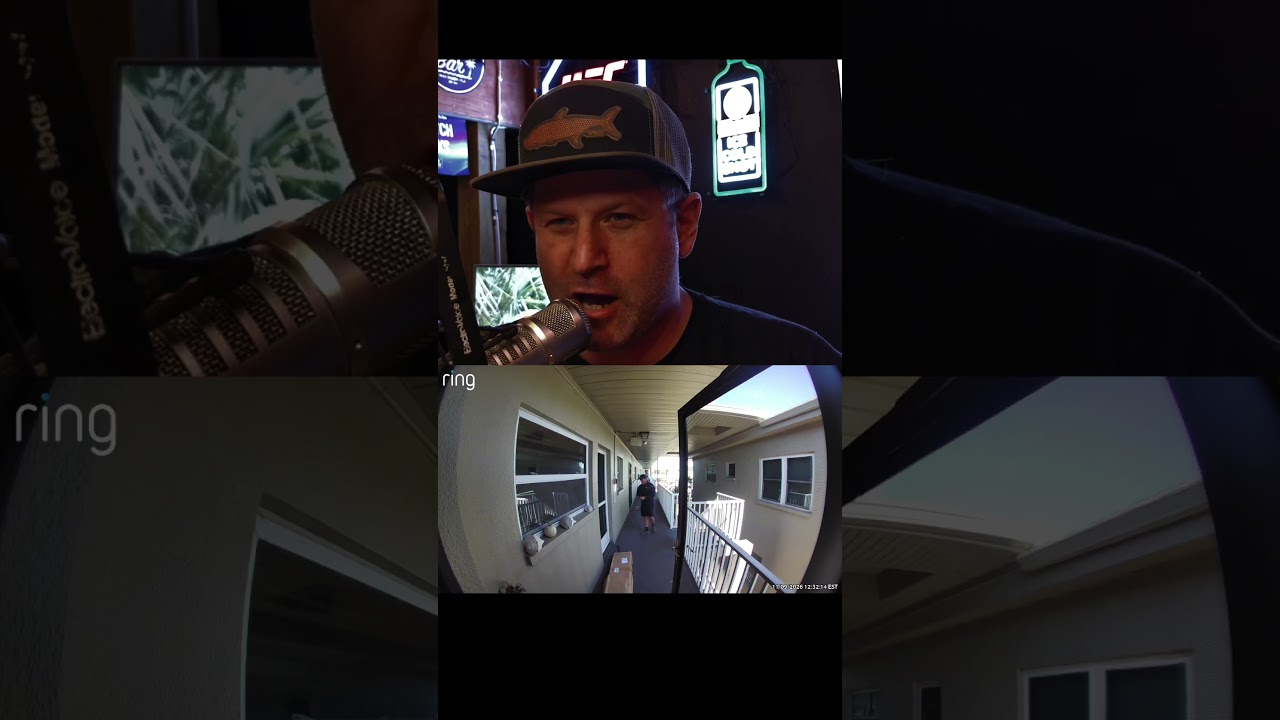
Now head back and watch the reel—some delivery drama is better watched than unboxed.
Comments
Want to join the conversation?
Sign in to comment