
AI narration · about 5 min
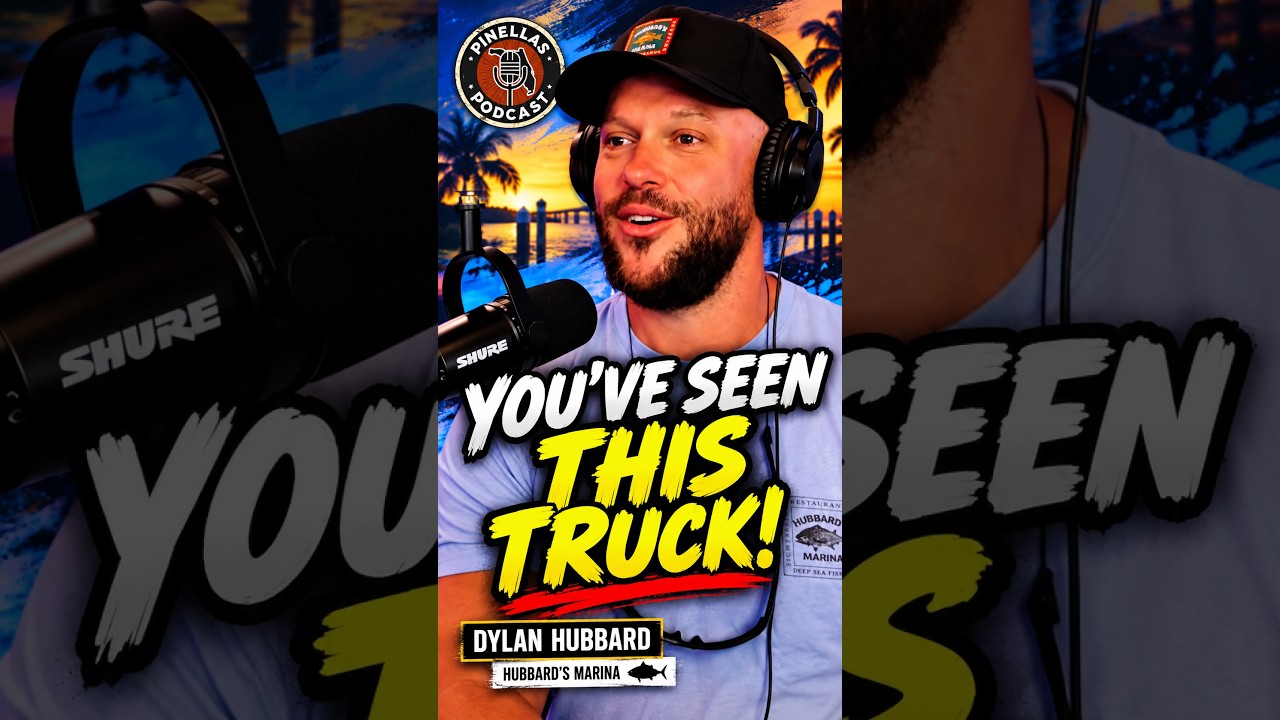
Dylan Hubbard of Hubbard’s Marina is talking artificial intelligence, and suddenly the future feels a lot closer than the next boat leaving the dock.
In his conversation with the Pinellas Podcast, Hubbard and the hosts get into AI, flying cars and the strange experience of watching yesterday’s science fiction become today’s everyday technology. The big idea is equal parts exciting and unsettling: As impressive as AI already looks, we may still be near the beginning of what people will do with it.
That is a fun thought until you give it a full minute. Then it becomes a very large thought.
Here in Pinellas County, we have plenty of immediate concerns competing for brain space. Bridge traffic. Hurricane season. Whether the beach parking situation is worth testing your relationship. But technological change does not wait until everybody has finished their errands.
It shows up in our phones, our workplaces and the tools we use to find information. And now it can help turn an idea that exists only in someone’s head into an image you can actually look at.
Flying cars over the Gulf beaches? Easy to imagine. Harder to build. That gap is where this conversation gets interesting.
From marina life to a very big horizon
Hubbard’s Marina is based at John’s Pass in Madeira Beach, a place where the working waterfront and the vacation waterfront share the same salty air. Fishing boats, visitors, tides and weather make a pretty grounded backdrop for a conversation about the future.
There is something especially fitting about discussing technology through that local lens. Boating already offers a useful reminder that tools once considered remarkable can become routine. GPS navigation, electronic charts and sonar have changed how people find their way and understand what is beneath the water.
None of those tools makes experience irrelevant. A screen does not eliminate a shifting sandbar, an afternoon thunderstorm or the need for sound judgment. Better information still needs a person who knows what to do with it.
AI invites a similar distinction. It can be a powerful tool without being an all-knowing authority. It can make certain tasks easier without making every decision wiser.
Hubbard and the hosts take the discussion beyond a single gadget and toward the bigger question: What happens when the tools keep improving, and the things we once imagined become things we can start experimenting with?
That is not just a Silicon Valley question. It belongs in a coastal county full of small businesses, service workers, artists, boat captains and people trying to squeeze a little more usefulness out of the day.

Imagining it is easier than building it
One of the most striking changes brought by generative AI is how quickly a person can move from an idea to a visual draft.
Describe an unfamiliar vehicle, a futuristic waterfront or a building that does not exist, and an image-generation tool can produce a picture based on that request. The result might be convincing, ridiculous or both. Either way, you have something to react to instead of a vague mental sketch.
That matters for creativity. A visual starting point can help people explain an idea, explore a design or discover that their brilliant concept looks suspiciously like a toaster with propellers.
But an image is not engineering. An AI-generated flying car does not come with proven aerodynamics, a safe battery system, permission to fly or a sensible place to land.
Actual electric vertical-takeoff-and-landing aircraft are an active area of aviation development. They are not the same thing as giving every commuter a road car that can hop over traffic. Aircraft safety, pilot training or automation, noise, charging infrastructure and airspace rules all remain real-world concerns.
Around here, the fantasy practically writes itself: Skip the causeway backup and glide toward the beach. The practical questions arrive right behind it. Where does everybody land? What happens when a summer storm rolls through? Who wants a landing pad beside their quiet stretch of waterfront?
AI makes the picture easier. The physical world still gets a vote.
What another decade could mean for Pinellas
The question of what AI might do by 2036 is irresistible because ten years is both a long time and not very long at all.
It is long enough for new tools to become familiar. It is short enough that today’s students, business owners and workers will be living directly with the consequences of decisions being made now.
For Pinellas, the most meaningful changes may be less cinematic than flying cars. Think about a small business drafting routine correspondence faster, a visitor getting help translating a question, or a worker using software to organize a messy pile of information. Generative AI can already assist with those kinds of tasks, although its output still needs review.
The appeal is obvious. Less repetitive work could leave more room for the part of a job that requires attention, creativity or an actual human connection.
The catch is just as important: AI systems can produce incorrect information in a confident, polished voice. Looking finished is not the same as being right.
That distinction matters in a place where bad information can have consequences beyond an awkward email. A made-up restaurant detail is annoying. Wrong boating guidance or inaccurate storm information is another category entirely. Official forecasts, current notices and qualified professionals still matter.
There are also questions about privacy, ownership and employment. Feeding customer information into a tool is not automatically a harmless shortcut. Generating an image does not settle every question about how it should be used. Automating a task can help one worker while changing what an employer expects from another.
None of that means the only sensible response is panic. It means curiosity should come with judgment.
Pinellas does not need to choose between pretending nothing is changing and cheering every new feature like it just won the Stanley Cup. There is a middle lane: Try useful things, check the results and keep asking who benefits.
- 1Dylan Hubbard of Hubbard’s Marina joins the Pinellas Podcast for a conversation that includes artificial intelligence, flying cars and technological change.
- 2Hubbard’s Marina is located at John’s Pass in Madeira Beach, on Pinellas County’s Gulf coast.
- 3Watch the full Dylan Hubbard interview here: https://www.youtube.com/watch?v=AMRPzhwa_hw
- 4Generative AI can create text and images, but its output can contain errors; check factual claims before relying on them.
- 5For local weather and tropical information, use the National Weather Service and National Hurricane Center rather than treating an AI response as an official forecast.
The best part of this conversation is the invitation to think bigger without abandoning common sense. What could these tools make possible? What should remain firmly in human hands? And which futuristic ideas would actually improve life here, rather than simply give us another thing to charge?
Maybe the next decade brings something spectacular. Maybe its biggest breakthroughs arrive quietly, folded into ordinary tasks until we barely remember doing them another way.
Either way, the future is not waiting offshore for permission to dock.
Go watch the reel for Dylan Hubbard and the hosts’ take—then decide what you think AI will be doing by 2036.
Comments
Want to join the conversation?
Sign in to comment